
Hydration
Staying well-hydrated supports heart function and may reduce episodes triggered by low fluid levels or electrolyte shifts. Logging your fluid intake, such as water or electrolyte drinks, alongside symptoms can help you see how hydration affects your rhythm.
Your data
Mi tincidunt elit, id quisque ligula ac diam, amet. Vel etiam suspendisse morbi eleifend faucibus eget vestibulum felis.
Community insights
Average duration of this lifestyle change
All day

Gender of members that
reported this lifestyle change
 55.6%
55.6%
 0.0%
0.0%
 44.4%
44.4%
Age of members that
reported this lifestyle change
Members' top five risk factors

Effect of this lifestyle change on quality of life
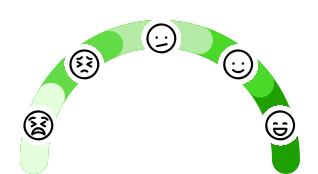


Number of members who reported this lifestyle change
9

Type of Afib members who reported this lifestyle change have
- Paroxysmal
- Persistent
- Long-standing persistent
- Permanent