
Exercise
Strenuous exercise can sometimes act as a trigger for Afib. While physical activity is important, intense exertion may affect heart rhythm in some individuals. Monitoring how your body responds can help you find balance.
Your data
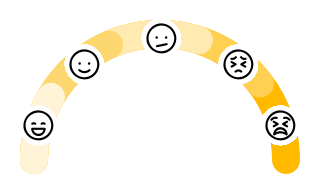
This graph shows how your Quality of Life (QoL) has been affected by this trigger in the past 30 days.
Community insights
Average duration of this trigger
Hours

Gender of members that
reported this trigger
 100.0%
 0.0%
0.0%
 0.0%
0.0%
Age of members that
reported this trigger
Members' top five risk factors

Effect of this trigger
on quality of life


Number of members who reported this trigger
6

Type of Afib members who reported this trigger have
- Paroxysmal
- Persistent
- Long-standing persistent
- Permanent