
Caffeine
Caffeine impacts everyone differently. While one cup of coffee or a small energy drink is safe for many people with Afib, higher amounts may trigger palpitations or episodes in some individuals. Tracking your caffeine intake alongside symptoms may help reveal patterns.
"Lorem ipsum dolor sit amet, consectetur adipiscing elit. Suspendisse varius enim in eros elementum tristique. Duis cursus, mi quis viverra ornare."

Gast blogger
CEO, Meta
Your data
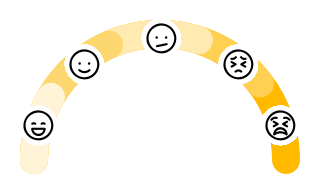
This graph shows how your Quality of Life (QoL) has been affected by this trigger in the past 30 days.
Community insights
Average duration of this trigger
Minutes

Gender of members that
reported this trigger
 75.0%
75.0%
 0.0%
0.0%
 25.0%
25.0%
Age of members that
reported this trigger
Members' top five risk factors

Effect of this trigger
on quality of life


Number of members who reported this trigger
4

Type of Afib members who reported this trigger have
- Paroxysmal
- Persistent
- Long-standing persistent
- Permanent