
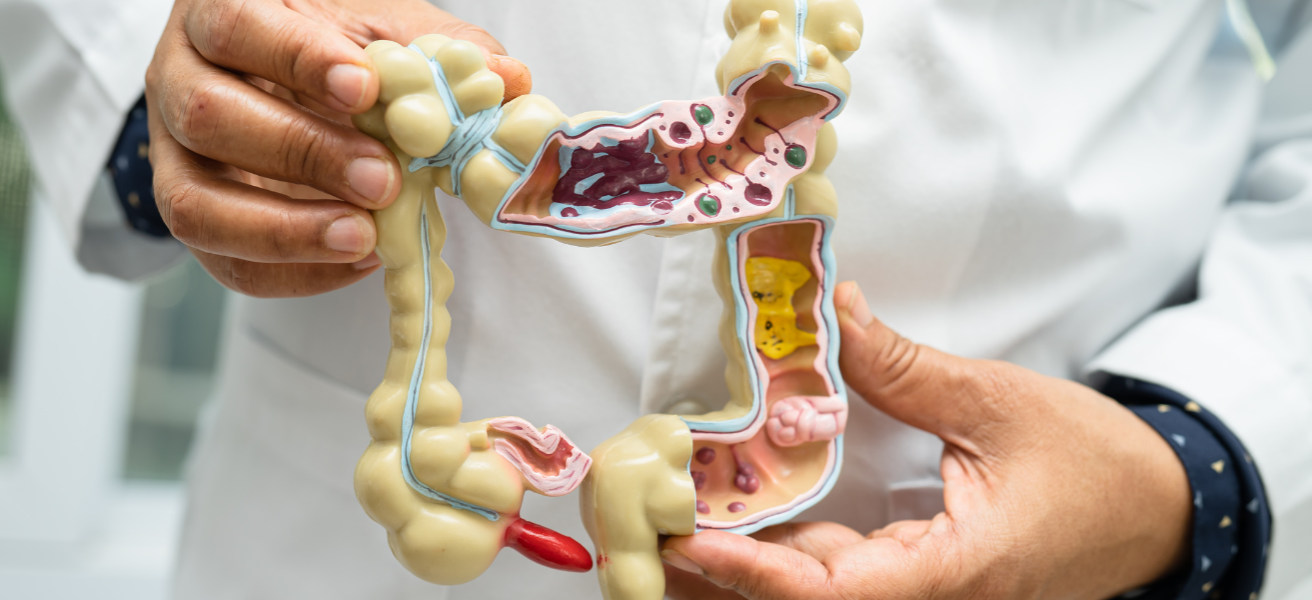
While we usually think of gut health in terms of digestion and trying to reduce stomach issues, new research suggests it also plays a vital role in how your heart behaves. For people with atrial fibrillation (Afib), an imbalance in gut bacteria—what scientists call "dysbiosis"—can trigger inflammation that may upset the heart's natural rhythm and make symptoms feel more noticeable.
Recognizing this surprising "gut-heart connection" can help you make simple dietary and lifestyle choices that support your heart from the inside out.
Key insights
-
The gut microbiome is essential for digestion, immune function, and heart health.
-
An imbalanced gut microbiome can trigger inflammation and electrical disruptions, increasing the risk of Afib.
-
Gut dysbiosis promotes inflammation, leading to atrial fibrosis and structural heart changes.
-
Consuming fiber, polyphenols, and probiotics can help restore gut balance and potentially reduce Afib risk.
-
Regular physical activity improves gut microbiome diversity and benefits heart health.
Understanding the gut microbiome
The gut microbiome is inside your digestive system and consists of a vast community of trillions of tiny microorganisms, including bacteria, viruses, and fungi. This "gut microbiome" does more than just help you digest your meals; it is a hardworking team that helps you absorb nutrients and strengthens your immune system. When this community is balanced, it helps keep inflammation in check and protects you from harmful germs.
However, it is important to remember that this delicate balance can sometimes be upset by things like a poor diet, certain medications like antibiotics, or even high levels of stress. When these microbes get out of sync (called dysbiosis), it can lead to health issues that reach far beyond your stomach, affecting your overall well-being. Understanding how to care for these tiny helpers is a great way to support your body from the inside out.
How gut health influences the heart
Research shows that when the gut’s community of bacteria gets out of balance, it can contribute to heart problems like high blood pressure, clogged arteries, and heart failure. New studies also reveal a strong connection between this gut imbalance and Afib. This happens mainly because dysbiosis causes inflammation, scarring (fibrosis), and disruptions in the heart’s electrical signals.
Structural changes and inflammation
When the balance of bacteria in the gut gets disturbed (dysbiosis), it can cause ongoing inflammation in the body. This inflammation releases special molecules called cytokines that can damage the heart by causing scarring (called fibrosis) and changing its structure. These changes make it easier for Afib to develop.
Studies with animals show that fixing the gut balance can lower inflammation and may help reduce the risk of Afib. Eating foods high in fiber and those that produce short-chain fatty acids (like fruits, vegetables, and whole grains) supports a healthy gut, helping to calm inflammation and protect the heart from damage.
Electrical disruptions and Afib
Afib happens when the heart’s electrical signals get mixed up and don’t follow a steady beat. Inside your gut, tiny bacteria produce substances called metabolites, including things like bile acids and other byproducts, that can affect how the heart’s electrical system works.
When your gut is out of balance, it can cause too much inflammation, which is like the body being irritated or swollen. This inflammation can mess with how calcium moves inside the heart, and calcium is very important for keeping the heart’s electrical signals steady.
At the same time, bile acids and other chemicals made by gut bacteria can disturb the heart’s electrical “membrane potentials” — that means they upset the heart’s electrical balance. All of this makes irregular heartbeats, or Afib episodes, happen more often.
Strategies for improving gut health
Dietary approaches for a healthier gut
A well-balanced diet supports gut microbiome health. Adding these foods to your diet may reduce cardiovascular risk:
-
Polyphenol-rich foods—natural compounds found in many fruits, vegetables, whole grains, beans, and nuts—help feed the good bacteria in your gut and keep inflammation under control. Polyphenols act like antioxidants, protecting your body and supporting overall health. Including these foods in your diet supports both your gut and heart well-being.
-
Probiotics and fermented foods (such as yogurt, kefir, and kimchi) help restore the good bacteria in your gut and support a stronger, healthier immune response.
Cutting back on processed foods, sugar, and red meat can help keep your gut healthy. When your gut is balanced, it reduces inflammation—a key factor that can lower your risk of Afib and support better heart health.
Exercise and gut health
Regular physical activity benefits both gut and heart health. Studies show that exercise is great for your gut health, helping to increase the variety of good bacteria living there. This boost in gut bacteria can lower inflammation and support a healthier heart. You don’t have to be a gym fanatic—moderate to intense workouts a few times a week can make a real difference in keeping your gut and heart happy.
How MyAfib can help
A growing body of research suggests a meaningful connection between gut health and Afib, highlighting that heart care should not focus on the heart alone. Supporting your gut through balanced nutrition, fiber-rich foods, and sustainable lifestyle habits may help reduce inflammation, stabilize heart rhythms, and lower the risk of Afib episodes. As science continues to explore this gut–heart connection, it is becoming clear that daily habits play a powerful role in managing irregular heart rhythms.
Tracking these habits — alongside your symptoms — can help you better understand how your body responds. Tools like MyAfib allow you to monitor symptoms, log nutrition and lifestyle changes, and identify patterns over time. By keeping everything organized in one place, you and your healthcare provider can more easily see what supports your heart health and make informed adjustments when needed.
Taking a proactive approach that combines mindful eating, stress management, regular movement, and consistent symptom tracking empowers you to take meaningful control of your condition. Small, informed changes can reduce symptom burden and significantly improve your overall quality of life.
Managing Afib is a journey, but with the right knowledge, tools, and support, you are not navigating it alone.