
Atrial fibrillation (Afib) is a common heart rhythm disorder that can feel like fluttering or racing in the chest. While it carries serious health risks, it doesn't have to be managed by medicine alone. While doctors play a central role with prescriptions and procedures, there is a growing mountain of evidence that what you eat can be a powerful tool in supporting your heart.
This article explores how specific dietary patterns—especially the Mediterranean and whole-foods plant-based diets—can help calm common Afib triggers, such as high blood pressure, obesity, and inflammation.
Here’s what current research tells us about how different eating patterns may influence heart rhythm.
Red meat and blood pressure: what is the link?
If you are looking to protect your heart rhythm, the meat aisle is a good place to start making changes. Research shows that both processed and unprocessed red meats can negatively affect the heart, but processed versions are the real troublemakers. This is because the methods used to make them taste better or last longer—like smoking, heavy salting, and chemical preservatives—are very hard on our arteries. Common examples to watch out for include salami, sausages, ham, packaged burgers, and marinated meats.
The link between meat and high blood pressure (hypertension) is striking:
- One major study found that eating 100 grams of processed meat daily is linked to a 14% higher risk of high blood pressure. For every extra 50 grams you eat daily, that risk climbs by another 12%.
- This effect seems particularly strong for women. Among women, eating five servings of processed meat a week is associated with a 17% higher chance of hypertension compared with eating it only once a week.
- The good news is that the body heals quickly. People who replaced red meat with fish, poultry, or beans saw a 5.2% drop in blood pressure in just one month. In another study, 77% of participants who switched to a plant-based diet were able to stop their blood pressure medication entirely under their doctor's supervision.
The Mediterranean diet: a gold standard
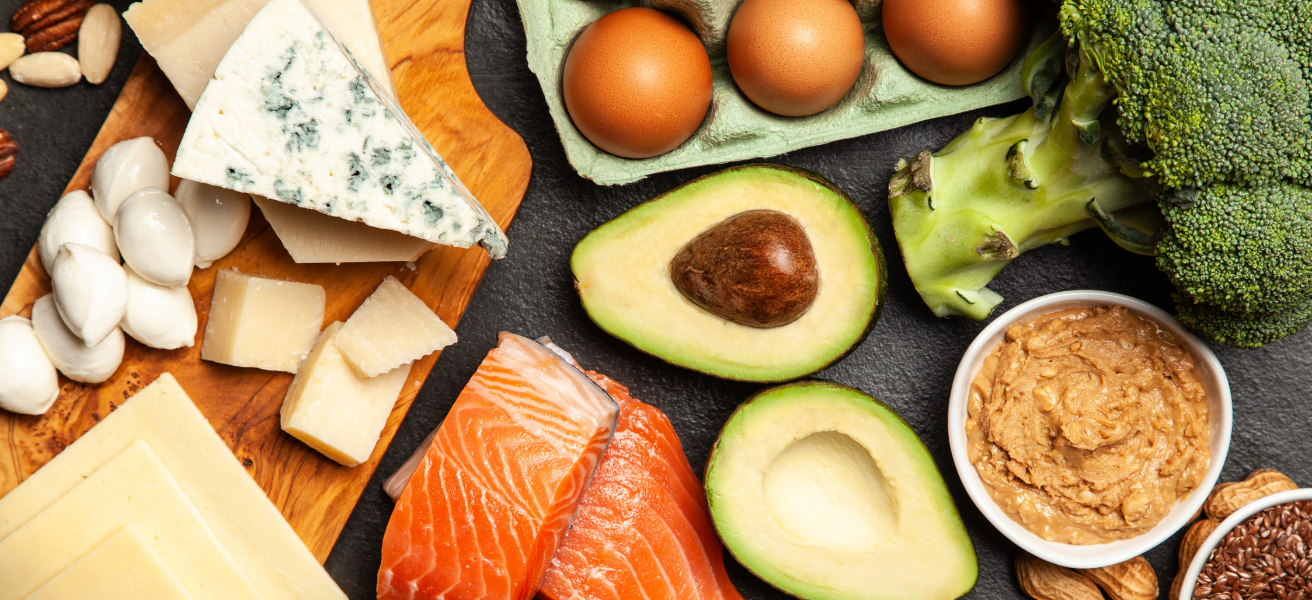
The Mediterranean diet is more of a lifestyle than a strict "diet." It focuses on fresh produce, whole grains, nuts, and legumes. Extra virgin olive oil is the star of the show as the main source of fat, while fish and chicken are eaten in moderation. This way of eating is packed with antioxidants and fiber, which act like a "clean-up crew" for your cardiovascular system.
Recent research, including the famous PREDIMED study, found that this diet actually reduces the amount of fat stored directly around the heart. This is important because high levels of fat around the heart are closely linked to persistent Afib. By keeping that area "lean," the Mediterranean diet helps the heart maintain its natural beat. While the benefits of extra virgin olive oil are clear, scientists are still debating exactly how much omega-3 supplements help with rhythm issues specifically.
The 2021 European Society of Cardiology (ESC) guidelines on cardiovascular disease prevention endorse the Mediterranean diet as a preferred long-term eating pattern, highlighting its focus on nutrient-dense foods, heart-healthy fats, and fiber-rich plant-based ingredients that support sustained cardiovascular health.
The power of whole-food plant-based eating
A whole-food plant-based diet takes things a step further. It focuses on foods that come from the earth—fruits, vegetables, grains, and seeds—and cuts out or significantly reduces animal products like meat, dairy, and eggs, as well as refined sugars and oils.
This approach is gaining a lot of interest in the medical community because it addresses the root causes of heart rhythm issues:
- One of the most impressive studies showed that Afib patients who lost more than 10% of their body weight were six times more likely to stay "Afib-free" compared to those who didn't lose the weight.
- Beyond weight loss, this diet helps reduce the risk of hypertension, manage diabetes and reduce inflammation throughout the body. By lowering these risk factors and keeping inflammation low, you are essentially "quieting" the environment so the heart's electrical system doesn't get irritated.
The truth about the Keto diet
The Ketogenic (Keto) diet has become very popular for fast weight loss. It involves eating almost no carbohydrates and very high amounts of fat. While it can help people drop pounds quickly and improve blood sugar management, its long-term effect on heart rhythm is still being studied by experts. Diets that are extremely low in carbs can sometimes be a double-edged sword. The high intake of animal fats can lead to stiff arteries and increased cholesterol. More importantly, when the body stays in "ketosis" for a long time, it can disrupt the balance of minerals like potassium and magnesium. These minerals are the "electricity" that keeps your heart beating in time. Animal studies even suggest that long-term Keto dieting might physically change the structure of the heart, making it easier for Afib to take hold.
Common triggers: alcohol and caffeine
Most people with Afib know that certain things can "set off" an episode. Alcohol is one of the most common triggers. Doctors even have a name for it: “Holiday Heart Syndrome.” This happens when heavy drinking during weekends or holidays causes a sudden bout of Afib. Alcohol interferes with the heart’s electrical signals and can increase inflammation. Even moderate drinking—about two glasses a day—has been shown to increase the risk significantly.
Caffeine is a bit different. While many people think coffee causes Afib, most studies don’t show a strong causal link. However, for some sensitive individuals, a strong cup of coffee can be the "trigger" that starts an episode if their heart is already prone to it.
The gut-heart connection
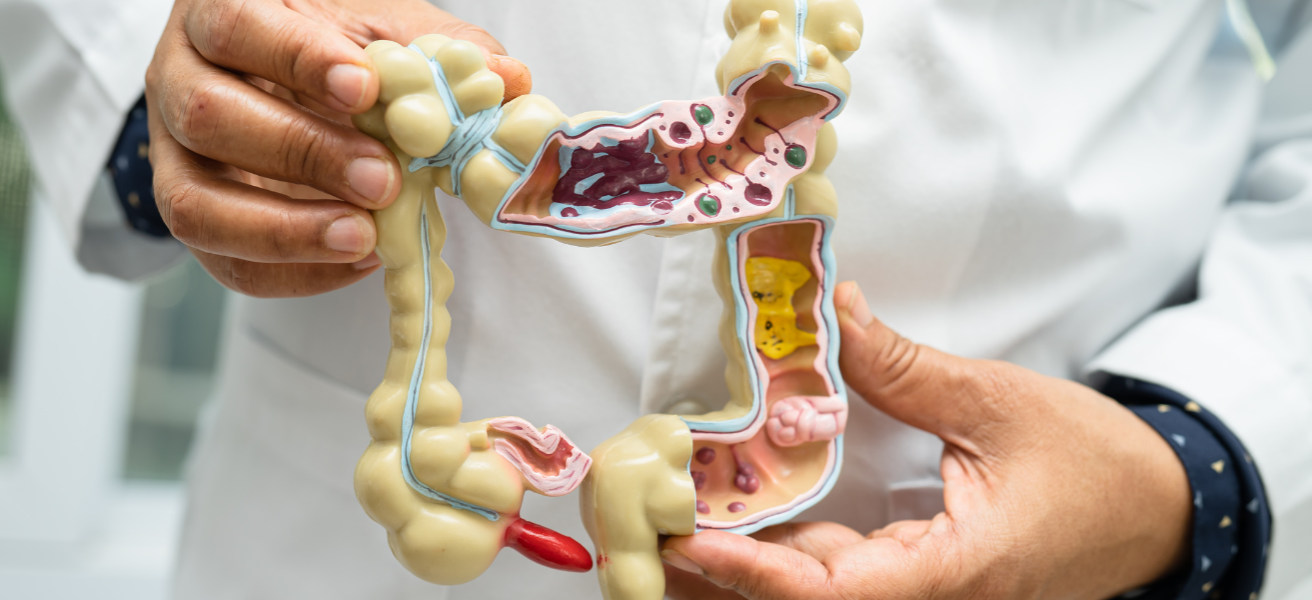
One of the most exciting new areas of research is gut health. We now know that the bacteria living in your digestive system can send signals to your heart. If your gut is out of balance (often from a diet of processed foods), it can cause inflammation that disrupts your heart rhythm. Diets rich in fiber, polyphenols, and probiotics, alongside regular physical activity, help keep your gut "friendly," which in turn keeps your heart calm.
Take an active role in your care
People living with Afib are no longer just passive observers. Through citizen science, many people are tracking their own triggers and discovering that factors such as magnesium supplementation, sleep quality, or specific lifestyle changes can make a meaningful difference. MyAfib makes this easier by helping you log your episodes, symptoms, triggers, diet, and other habits over time, turning your everyday experiences into actionable insights. You can discover patterns in your own journey, gain insights by comparing your experience to that of others, and make more informed decisions about your health. This growing partnership between people living with Afib and clinicians is enabling far more personalized care. By combining appropriate medical treatment with powerful dietary and lifestyle changes, you can truly take control of your Afib.