
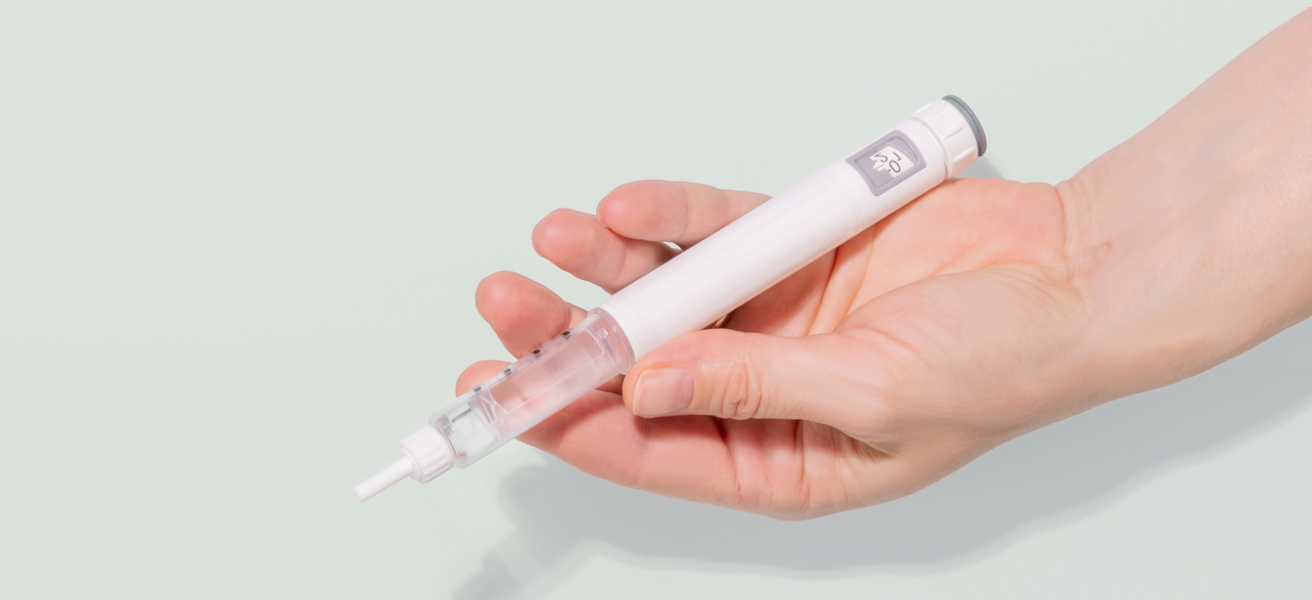
You have almost certainly heard of Ozempic or Wegovy by now. Originally developed to treat type 2 diabetes, these medications have become widely known for their ability to produce significant, sustained weight loss. Beyond weight loss, they have also been shown to reduce the risk of serious heart events. New research is now raising an interesting question: might these drugs also have a specific beneficial effect on atrial fibrillation (Afib)? This article looks at what the evidence currently shows and what it might mean for people living with this condition.
Key takeaways
-
GLP-1 receptor agonists, including semaglutide (Ozempic, Wegovy) and liraglutide, have been linked to reduced body weight and cardiovascular risk, and emerging evidence suggests they may also reduce Afib recurrence.
-
A study found a lower risk of Afib returning after ablation in people taking semaglutide, with benefits that may go beyond weight loss alone, though larger trials are still needed.
-
The SELECT trial found that semaglutide significantly reduced major cardiovascular events and inflammation, findings that are mechanistically relevant to Afib.
-
Possible mechanisms include reversal of obesity-related changes in heart structure, reduction of systemic inflammation, and potentially direct effects on heart tissue via GLP-1 receptors.
-
Current guidelines do not yet specifically recommend GLP-1 drugs for Afib, but the strong recommendation for weight management means these drugs may be relevant for people with both Afib and obesity or diabetes.
-
Randomized trials with Afib recurrence as the primary endpoint are urgently needed and are now underway.
-
If you have Afib alongside obesity or type 2 diabetes, it may be worth raising GLP-1 drugs with your healthcare team as part of a broader conversation.
What are GLP-1 receptor agonists?
GLP-1 stands for glucagon-like peptide-1, a hormone your gut releases naturally after eating. It tells the pancreas to release insulin (which lowers blood sugar), slows how quickly the stomach empties (so you feel full for longer), and damps down appetite. Semaglutide, the active ingredient in Ozempic and Wegovy, is a GLP-1 receptor agonist: a drug made to mimic this hormone but stay active in the body far longer than the natural version, which is what makes it so useful for blood sugar control and weight loss.
In large clinical trials, weekly injectable semaglutide show an average weight loss of around 15% of body weight over 68 weeks. Tirzepatide, a newer drug compared to Ozempic, that acts in a similar way, produced up to 20% average weight loss.
Beyond weight, major cardiovascular studies have shown that these medications have been linked to lower risk of heart attack, stroke, and cardiovascular death, effects that go beyond simply reducing body weight.
Have you noticed improved cardiovascular health outcomes after taking a medication such as Ozempic?
Why might these drugs help with Afib?
The weight loss pathway
Obesity is one of the most well known lifestyle risk factors for Afib. Carrying extra weight has been associated with changes in the structure and electrical behavior of the atria (heart’s upper chambers) in ways that make Afib more likely to develop and harder to treat.
The LEGACY study found that losing at least 10% of body weight was associated with clear reduction in Afib episode frequency and symptom severity, with the greatest benefit in those who lost the most weight and kept it off. This suggests that at least some of the heart-related benefits seen with GLP-1 medications may result from the weight loss they help people achieve and maintain.
Effects on inflammation
Beyond weight, there is evidence that GLP-1 drugs could have a direct anti-inflammatory effects. Inflammation (the body's immune response when it senses damage or stress) is thought to contribute to the physical changes in heart tissue that allow Afib to develop and persist.
The SELECT trial, which enrolled over 17,000 people with obesity and established cardiovascular disease but without diabetes, found that semaglutide led to a lasting reduction in inflammation in the body, measured using a blood marker called high-sensitivity C-reactive protein (hsCRP). This is a biomarker that researchers commonly look at when assessing inflammation in the body.
Interestingly, this improvement was greater than could be explained by weight loss alone. This matters because inflammation is believed to play an important role in both the development and persistence of Afib, suggesting that semaglutide may benefit heart rhythm through multiple pathways.
Possible effects on the heart
GLP-1 receptors, the targets that these drugs bind to, are present not just in the gut and brain, but also in cardiac tissue, including in the atria. Laboratory and animal studies suggest that activating these receptors in the heart may reduce fibrosis (the progressive scarring of heart tissue that sustains Afib) and may also cause changes in the activity of the autonomic nervous system, the part of the nervous system that regulates heart rate and rhythm automatically.
These cardiac effects have not yet been studied in depth or in large clinical trials, so this should be treated as early-stage research.
What does the research show?
Semaglutide and Afib recurrence after ablation
A study looked at whether semaglutide could improve outcomes after catheter ablation in people with Afib and obesity. In a single-centre study, 181 participants who started semaglutide around the time of catheter ablation were compared with 181 similar participants who did not receive GLP-1 drugs. All participants had continuous heart rhythm monitoring for up to 18 months.
The results showed that 80% of participants in the semaglutide group remained free from Afib recurrence compared with 65% in the control group. Semaglutide use was associated with a significantly lower risk of Afib recurrence and a lower overall burden of abnormal atrial heart rhythm during follow-up check-ups. Participants taking semaglutide also lost a lot more weight than those receiving standard care.
Overall, in this study, semaglutide was associated with better rhythm outcomes and greater weight loss compared with no GLP-1 therapy. Stilll these findings would benefit from replication in larger trials.
The SELECT trial and cardiovascular outcomes
The SELECT trial randomly assigned over 17,000 people with obesity and established cardiovascular disease to either semaglutide or a placebo (an inactive injection that looks identical). Over roughly three years of follow-up, those taking semaglutide had a 20% lower risk of serious cardiovascular events including heart attack, stroke, and cardiovascular death. They also showed sustained reductions in inflammatory markers. Afib was not a primary outcome of this trial, but the anti-inflammatory and cardiovascular findings are directly relevant to the question of whether GLP-1 drugs may benefit people with Afib.
Liraglutide and the LEADER trial
The LEADER trial enrolled over 9,000 people with type 2 diabetes at high cardiovascular risk and compared liraglutide (a GLP-1 drug similar to semaglutide) with a placebo. Over almost four years, liraglutide lowered the risk of major cardiovascular events by 13% compared with placebo. This was one of the first large trials to suggest that GLP-1 drugs may have cardiovascular benefits beyond blood sugar control, and it helped lay the groundwork for follow up research into their effects on conditions in
Dehydration and GLP-1 drugs
GLP-1 medicines like semaglutide and liraglutide slow down digestion, which is part of why they work so well, but it also means nausea, vomiting, and diarrhoea are common early on. In fact, a 2022 multidisciplinary consensus review found these digestive symptoms affect roughly 40 to 70 percent of people starting treatment, and they are usually mild and settle down within the first few weeks. The same review is confirmed by a larger 2025 analysis of over 33,000 people.
If vomiting or diarrhoea become frequent, though, the body can lose potassium and magnesium, two minerals the heart needs to keep a steady beat. Low levels of either one are known to trigger irregular heart rhythms, including Afib. The good news is that the largest studies so far, covering nearly 80,000 people, found that GLP-1 medicines do not raise Afib risk overall.
One practical tip from the consensus guidance: staying generously hydrated during bouts of vomiting or diarrhoea is one of the simplest ways to protect against this mineral dip. Still, if symptoms last more than a day or two, it may be worth checking in with a doctor, since catching a mineral dip early is an easy fix.
What the guidelines currently say
Neither the 2024 ESC Guidelines nor the 2023 ACC/AHA Guidelines currently include a specific recommendation for using GLP-1 drugs to treat Afib. The evidence from randomized trials with Afib as the primary endpoint is still underway. Both guidelines do, however, give their highest level of recommendation to weight management for people with Afib who are overweight or have obesity, and GLP-1 drugs are now an established and effective tool for achieving meaningful weight loss in those who are eligible. For people managing both Afib and obesity or type 2 diabetes, these drugs may address several health priorities at once. Future guideline updates will most probably address GLP-1 drugs and Afib more specifically as the evidence grows.
How MyAfib fits in
One thing that large trials like SELECT and LEADER cannot tell us is how a drug will work for a specific individual. Population averages reflect the average participant in the trial, which may not match your situation. Have you ever started a new treatment and wondered whether it is genuinely making a difference to your Afib?
Tracking your weight, medication changes, heart rate, and Afib episodes over time in MyAfib creates an individual-level record that allows you and your healthcare team to assess exactly that. At a broader level, real-world data from diverse users can help researchers characterize which subgroups of people with Afib benefit most from which treatments, the kind of nuanced evidence that trials often cannot provide.
As always, speak with your healthcare provider before making any changes to your treatment or routine.