Potassium is an essential mineral that the body needs to function properly. It acts as an electrolyte, helping nerve and muscle cells, including the heart, contract and communicate. It is found in vegetables such as spinach and sweet potatoes, and fruits such as bananas and oranges. Potassium plays a key role in maintaining the electrical stability of the heart, and even small changes in its blood concentration can significantly affect heart rhythm. Hypokalemia (low blood potassium) has emerged as a potential and often underrecognized trigger for atrial fibrillation.
What is hypokalemia and how does it affect Afib?
Afib happens because of a mix of factors, including the heart’s structure, genetics, and how electrical signals move through the heart. When the balance of electrolytes is disturbed, such as when potassium levels are too low, this already sensitive system can become unstable.
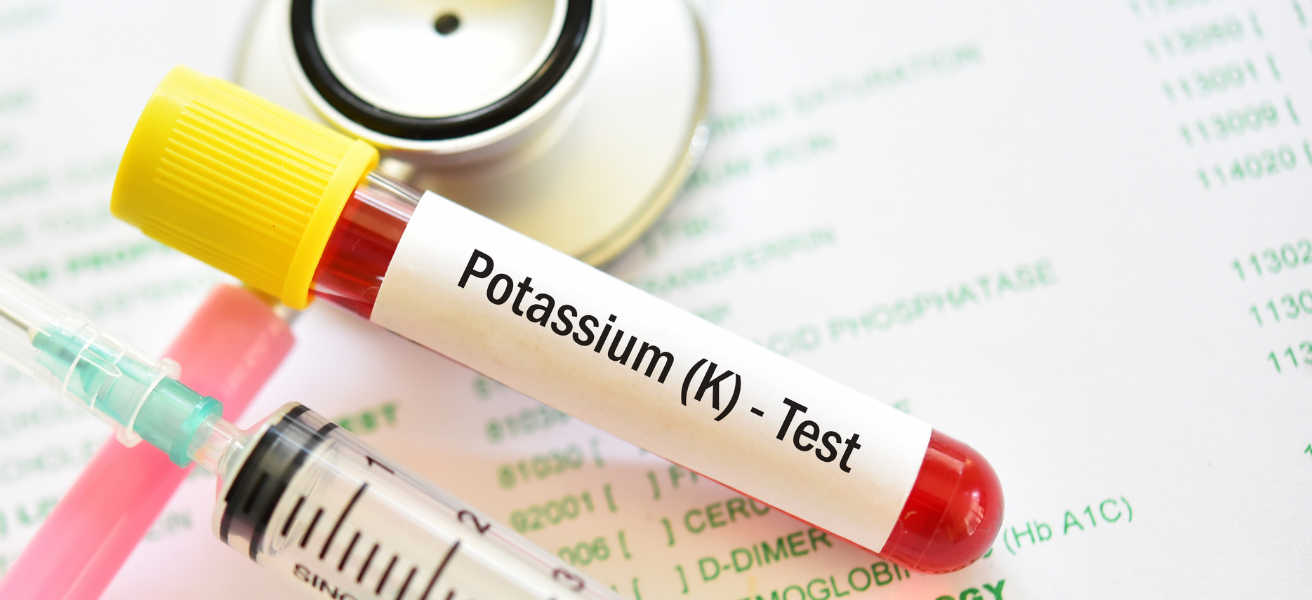
Hypokalemia means that the level of potassium in the blood is below 3.5 mmol per liter. It is quite common in hospitals and affects up to one in five patients. It can develop due to medications like diuretics, loss of fluids through vomiting or diarrhea, or shifts of potassium into cells caused by insulin or changes in blood acidity.
Potassium helps control the heart’s electrical signals and keeps its rhythm steady. When potassium levels drop, these signals do not flow as smoothly. This can make the heart’s electrical system unstable and increase the risk of abnormal rhythms such as atrial fibrillation.
Experimental studies using rat heart muscle cells under simulated low potassium conditions have helped researchers understand how this instability affects different parts of the heart.
Low potassium does not affect all heart cells in the same way. In the ventricles, which are the lower pumping chambers, it can cause calcium to build up inside the cells. This buildup interferes with the cells’ normal electrical recovery after each heartbeat and can trigger small, premature electrical signals.
In the atria, the upper chambers, the response is less uniform. Instead of calcium overload, some atrial cells produce early extra signals because sodium currents become active again too soon.
These changes make the atria more vulnerable to disorganized electrical activity, increasing the risk of chaotic rhythms such as atrial fibrillation.
What does the research say?
More and more clinical research shows a clear connection between low potassium levels and the risk of atrial fibrillation, or Afib.
Ziv Medical Centre study (2013 to 2017)
Researchers in Israel looked at hospital records from patients admitted to an internal medicine department. They compared 281 patients with Afib to 260 patients whose hearts were in normal rhythm. Low potassium levels were found in 16 percent of patients with Afib, compared to 8.4 percent of those without it. In other words, patients with low potassium were almost twice as likely to have Afib. This suggests that checking and correcting potassium levels may help reduce risk.
In a very large study of 1134 participants, researchers analyzed more than 1.6 million days of heart rhythm data and found that potassium levels were lower on days when Afib episodes occurred. For every drop of 1 mmol/L in potassium, the risk of Afib increased about fivefold. The risk was especially higher when potassium fell below a person’s usual level. Longer Afib episodes, lasting more than four hours, were also more common during periods of low potassium.
After heart surgery, doctors often try to keep potassium levels on the higher end of normal to prevent Afib. A large trial involving 1,690 patients undergoing coronary bypass surgery tested whether this strict approach was actually necessary. One group received potassium supplements only when levels dropped below 3.6 mmol/L. The other group received supplements earlier, at 4.5 mmol/L. The results showed that the less strict approach worked just as well. Rates of Afib, other rhythm problems, death, and hospital stay were similar in both groups.
Overall, these studies show that potassium levels do matter for heart rhythm. Even mild or short term drops in potassium can increase the chance of Afib episodes. At the same time, keeping potassium much higher than normal does not always provide extra protection.
How MyAfib can help
For people living with Afib, or those at risk of developing it, potassium balance may be an important factor that is easy to overlook. Some common medications for high blood pressure or heart failure can lower potassium levels. Diet also plays a role. Eating too few potassium rich foods such as fruits, vegetables, and legumes may lead to mild but ongoing deficiencies.
In hospitals, doctors routinely check blood electrolytes. Today, with the rise of digital health tools and personal health tracking, many people are taking a more active role in monitoring their own health. Tracking symptoms, heart rhythm episodes, hydration, diet, and medication use can help reveal patterns that might otherwise go unnoticed.
This is where MyAfib can be especially helpful. By logging your symptoms, lifestyle habits, and possible triggers, you may begin to see connections between factors like diet, fluid balance, medication changes, and Afib episodes. While a tracker does not replace blood tests, it can provide valuable context and help you have more informed conversations with your healthcare team.
Looking ahead, early detection of low potassium could potentially serve as a warning sign that an Afib episode is more likely, similar to how continuous glucose monitoring transformed diabetes care. From a practical perspective, maintaining adequate potassium intake through foods like bananas, spinach, beans, and avocados, staying well hydrated, and being aware of medication effects all support overall health and may help protect your heart’s electrical stability.