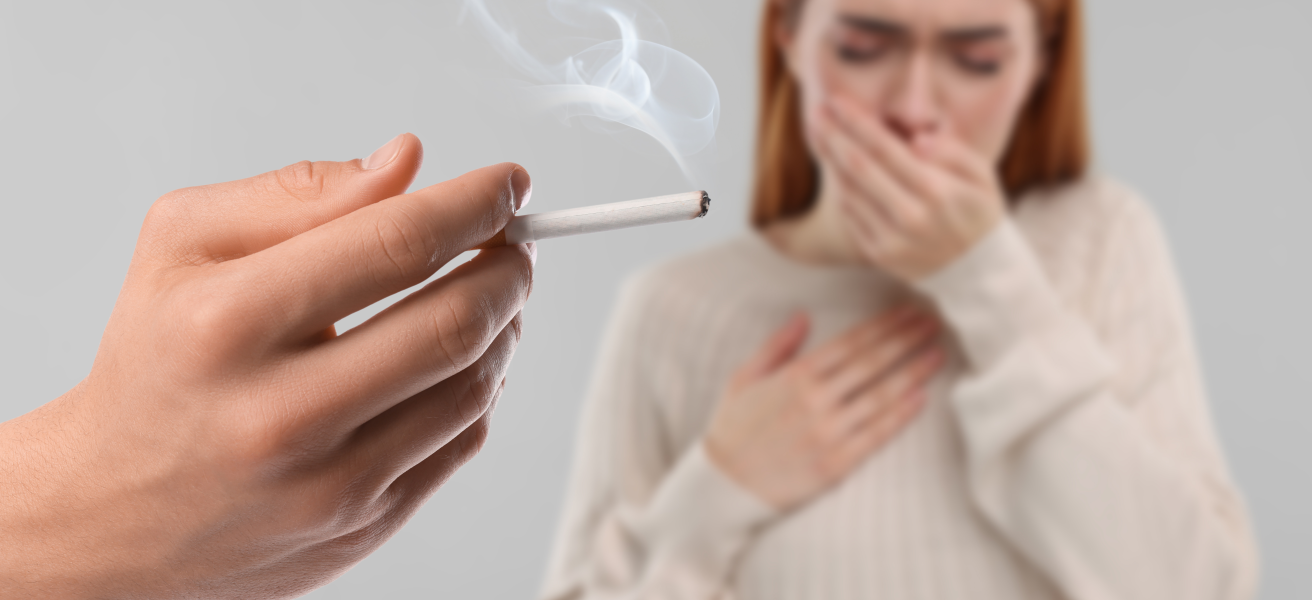

Atrial fibrillation (Afib) affects millions of us, and while doctors often focus on the long-term "management" of the condition, those living with it know the truth: Afib happens in the here and now. It’s that sudden, fluttering reminder that shows up right in the middle of your daily life.
Often, an episode isn't random—it’s a reaction. Whether it’s that extra glass of wine at dinner, a stressful afternoon, a restless night’s sleep, or even a heavy meal that leaves you feeling more than just full, these "short-term triggers" often fly under the radar during a quick clinic visit.dfddf
By looking closer at our lifestyle and personal patterns, we can begin to uncover the real-world factors that provoke these episodes. It’s about more than just tracking symptoms; it’s about understanding your body’s unique language so you can feel more in control of your day-to-day life.
What is a trigger?
A trigger is an electrical impulse in the heart that sets off an Afib episode. In everyday life, however, many of us recognize triggers as specific habits or moments—like a stressful day, a poor night’s sleep, or even a certain meal—that seem to "flip the switch" and start the fluttering. Identifying these personal patterns is the first step toward staying in sync and feeling more in control of your heart health.
Think of your heart as having its own built-in electrical system. Atrial fibrillation typically starts when a "stray spark"—or trigger—misfires in the heart's upper chambers, most often near the pulmonary veins.
This rogue signal disrupts your heart's natural steady beat, causing the upper chambers to quiver (or fibrillate) instead of pumping firmly. Because the electrical timing is off, your pulse becomes irregular and unpredictable, often jumping from slow to fast in an instant. The good news is, we now have more ways than ever to help you find your steady beat again.
The most commonly reported triggers for Afib include:
-
Alcohol
-
Poor sleep quality or sleep disorders
-
Caffeine
-
Dehydration
What research tells us about Afib triggers
It turns out that for most people, Afib isn't just a random event—it’s often a reaction to the world around us. In fact, 74% of people with Afib notice that specific habits or situations can "flip the switch" and start an episode.
Here is what the latest research tells us about who is most sensitive to these triggers:
-
Most people find that alcohol, caffeine, and exercise are the most common culprits.
-
If Afib runs in your family, you’re twice as likely to have specific triggers. You’re also twice as likely to react to alcohol and about 1.5 times more likely to react to caffeine compared to those without a family history.
-
Women often have a "collection" of several different triggers. While men might just have one, women frequently report a mix of things like dehydration, lack of sleep, eating very cold food, or even just lying on their left side.
-
The study found that certain groups, including Hispanic individuals and those with sleep apnea, tend to report a higher number of different triggers.
-
Interestingly, as we get older, our hearts seem to get a bit less reactive. For every 10 years of age, the chance of things like exercise or a poor night's sleep causing an episode actually drops by about 20%.
-
If someone has congestive heart failure, they are 71% less likely to have these kinds of triggers. This is likely because the heart has undergone physical changes that make it less sensitive to outside sparks like a cup of coffee.
What this really shows is that your heart’s sensitivity is unique. Whether it’s your genes or how your nervous system is wired, learning your own personal red flags is a powerful way to stay in charge of your health.
The more you understand what bothers your heart, the easier it is to keep things under control.
Less commonly discussed triggers
The most well-established triggers for Afib are alcohol, poor sleep and caffeine, but individuals also report other habits linked to higher occurrence of Afib. Eating and drinking cold foods, lying on one's left side, eating a large meal and stress have also been associated with Afib episodes but this connection is less well documented. Do you notice having any triggers that haven’t been mentioned?
Cold food and large meals
Believe it or not, something as simple as a cold snack or a large meal can nudge the heart out of rhythm. This happens because your esophagus (the food pipe) is tucked right next to your heart.
When you swallow something very cold or a heavy meal, it can stimulate the vagus nerve, which runs between the gut and the heart. This nerve helps regulate your heart rate, so a sudden jolt from the cold or the pressure of a full stomach can act like a stray signal, potentially flipping the heart into Afib.
Essentially, because your heart and stomach share the same wiring, ingesting certain types or large quantities of food can affect your heart rhythm.
Lying on the left side
Physical positioning can play a surprisingly direct role in heart rhythm. Research suggests that stretching the heart's atrial muscle can promote Afib, and lying on your left side is known to slightly increase the size of the atrium due to the way the heart shifts in the chest.
A study of 94 individuals found that nearly one in four people could identify a specific body position that triggered their Afib. Of those who noticed a pattern, over half (57%) named lying on their left side as the primary culprit.
The research also highlighted a few key factors:
-
Positional Afib was more common in individuals with a higher Body Mass Index (BMI).
-
the physical shift when lying on the left side creates enough tension or "stretch" in the heart muscle to spark an episode.
Knowing this can be quite empowering—sometimes a simple adjustment in how you sleep, like propping yourself up or shifting to your right side, can help keep your heart's rhythm steady.
Stress as a trigger
While the link between the mind and the heart is still being studied, the connection between stress, anxiety, and Afib is becoming increasingly clear. Chronic stress doesn't just feel unpleasant; it directly impacts your autonomic nervous system—the control center that manages your heart rate.
While researchers stop short of saying stress causes Afib, multiple studies show a strong link between high anxiety levels and how often episodes start or return. Essentially, when the body stays in a "fight or flight" state for too long, the nervous system can send chaotic signals to the heart, making it easier for an episode to trigger.
One study found that 85% of participants with high anxiety saw their Afib return even after cardioversion.
Because stress can disrupt the nervous system signals that control your heartbeat, experts now suggest that managing anxiety is a vital part of medical care. Addressing your peace of mind isn't just about feeling better—it's a clinical strategy to help your heart stay in a steady rhythm.
How to reduce the risk of triggering Afib
Can you identify specific lifestyle factors or habits that often precede an Afib episode? Working with a healthcare professional, you might explore making changes such as adjusting your diet, managing your stress, reducing alcohol intake, or avoiding certain types of exercise. If you find it difficult to pinpoint your triggers, consider using MyAfib to monitor habits that may be linked to your episodes.
By tracking your habits and symptoms over time, you can gain valuable insights into what might be contributing to your Afib episodes. This information can help you and your healthcare provider create a personalized plan to manage your condition more effectively. Remember, small changes in lifestyle can sometimes make a big difference in reducing the frequency or severity of episodes.
MyAfib aims to enhance the understanding and documentation of your Afib triggers, particularly if you are more frequently exposed to specific triggers, with the goal of improving quality of life and enabling more personalized treatment strategies. Click here to learn more about how to manage your symptoms.